ESGM Live

Home / Our impact

Our impact

The difference we make.

Since 2019 we have built a member-led movement, won in the Supreme Court and kept our community connected, healthy and visible.

Key facts

A movement that reaches the whole country.

2019Founded, the first membership-based LGBTI organisation in Eswatini
890+Members in all four regions: Hhohho, Manzini, Shiselweni and Lubombo
4Annual LGBTI summits since 2019
2023A unanimous Supreme Court ruling that refusing to register us was unconstitutional
109Community members in all four regions shaped our advocacy strategy in 2020 focus groups
1,500+People reached at MTN Bushfire 2025, with 500 information leaflets
15,000Followers on Facebook, X, TikTok, Instagram, LinkedIn, Threads and YouTube
100,000+Visitors to our website

Figures as of October 2026 and subject to change as our work grows.

Why our work matters

Eswatini is a house divided.

The first national survey of attitudes to LGBTI people in Eswatini found wide support for equality, and deep prejudice, side by side.

93%of EmaSwati agree that everyone should be treated equally
39%hold some prejudiced view of LGBTI people, seeing them as unstable, ill or immoral
51%know a transgender or gender non-conforming person. People who know us are more likely to accept us
29%believe that educating the public will lead to a more inclusive society

How many EmaSwati support each group?

Agree that each group deserves equal rights
  • Intersex people79%
  • Transgender and gender non-conforming people50%
  • Gay men48%
  • Lesbian women47%
  • Bisexual people46%
Would accept a family member from each group
  • Intersex people78%
  • Transgender and gender non-conforming people40%
  • Gay men32%
  • Lesbian women31%
  • Bisexual people27%
Think it important to protect each group's rights in the Constitution
  • Intersex people70%
  • Transgender and gender non-conforming people38%
  • Gay men37%
  • Lesbian women36%
  • Bisexual people35%

Source: A House Divided (summary, PDF), The Other Foundation, 2024. A nationally representative survey carried out by AfricaScope.

Theory of change

How our work leads to lasting change.

We start from the realities LGBTI people face in Eswatini, act where we can make the biggest difference, and measure progress against our vision.

If LGBTI people in Eswatini are organised, informed and supported, and families, leaders and institutions are engaged through dialogue, education and the courts, then stigma falls, rights are protected in law, and LGBTI people can live openly and safely.

  1. The challenge

    • Same-sex intimacy is criminalised under a colonial-era law
    • The state refuses to let LGBTI people register an organisation
    • Stigma, violence and exclusion from family, school and work
    • Many LGBTI people do not know their rights or how the law can protect them
    • Barriers to health care, mental health support and income
  2. What we do

    • Outreach and advocacy with leaders, media and the public
    • Psychosocial support, referrals and health commodities
    • Legal and policy reform, including strategic litigation
    • Training and research, led by our members
    • Economic empowerment and community care
    • Partnerships and networks at home and abroad
  3. What changes

    • Members know their rights and lead advocacy themselves
    • Families, schools and leaders become more accepting
    • LGBTI people reach support and health care safely
    • Members earn an income and gain independence
    • The right to organise is recognised in law
  4. Our vision

    • Social cohesion in Eswatini, where LGBTI persons attain full rights and social well-being, resulting in a high quality of life for all.

Theory of change in action

What we did, and what changed.

Five pathways from our theory of change, each with real examples from our work since 2018.

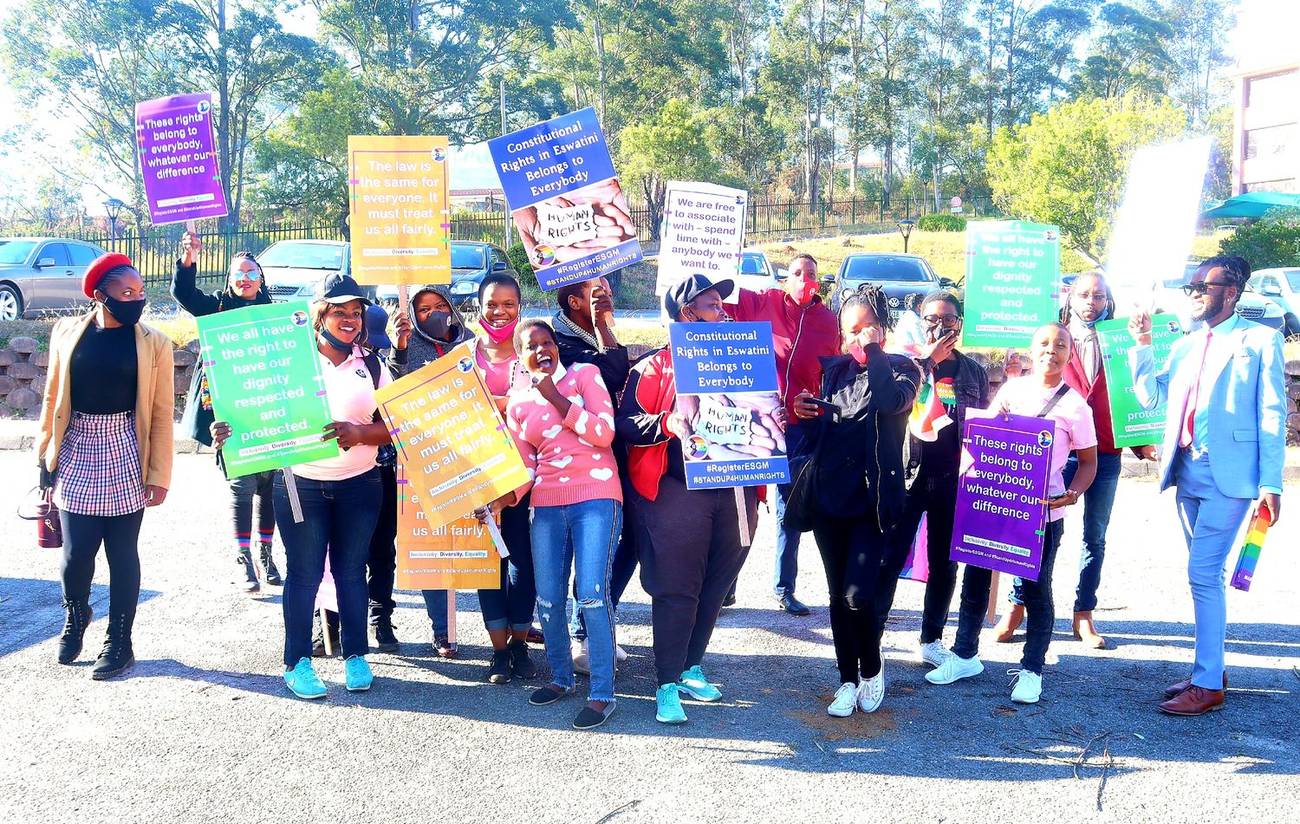
ESGM members march with placards calling for registration and equal rights

The right to organise

The challenge

In 2019 the Registrar of Companies refused to register ESGM, arguing that its objectives are unlawful because same-sex intimacy is illegal in Eswatini.

What we did

  1. Took a complaint to the Human Rights Commission, which found the refusal discriminatory and directed the Registrar to register ESGM. More
  2. Challenged the refusal in the High Court, for our rights to freedom of association, assembly and expression.
  3. Put up a billboard for equality on a busy road in Mbabane. It made regional news. More
  4. Appealed to the Supreme Court when a majority of the High Court upheld the refusal.
  5. Went back to the High Court when the Minister refused us a second time, and launched the #RegisterESGM petition.

What changed

A unanimous Supreme Court victory

On 16 June 2023 the Supreme Court found the refusal unconstitutional and ordered the Minister to reconsider our application. The government has not complied, so the case continues in the High Court.

Follow the registration case →
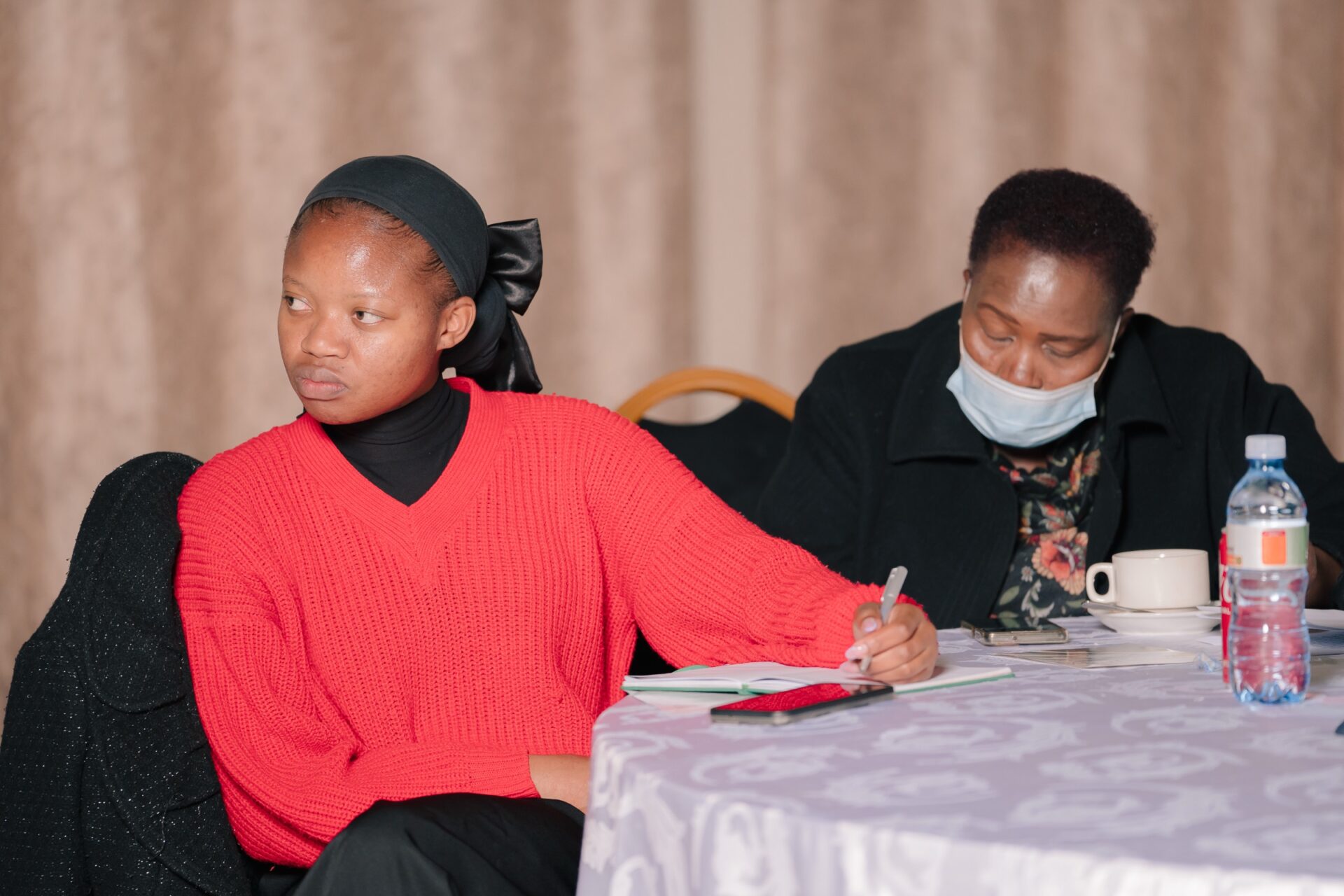
Participants take notes at an ESGM dialogue, 2024

Knowing our rights

The challenge

Many LGBTI people in Eswatini do not know their rights, or how the law can protect them.

What we did

  1. Listened first: focus groups with 109 LGBTI people in all four regions shaped our advocacy strategy.
  2. Trained more than 40 community members in advocacy, working with the media and telling their own stories.
  3. Four annual LGBTI summits, where members set priorities and learn from activists across the region.
  4. Movement Building 101 for four cohorts: human rights, self-advocacy, safe social media use and collective action.

What changed

Members leading the fight

After a digital activism workshop in October 2025, ESGM members came home and launched the #RegisterESGM petition themselves.

Read the story →
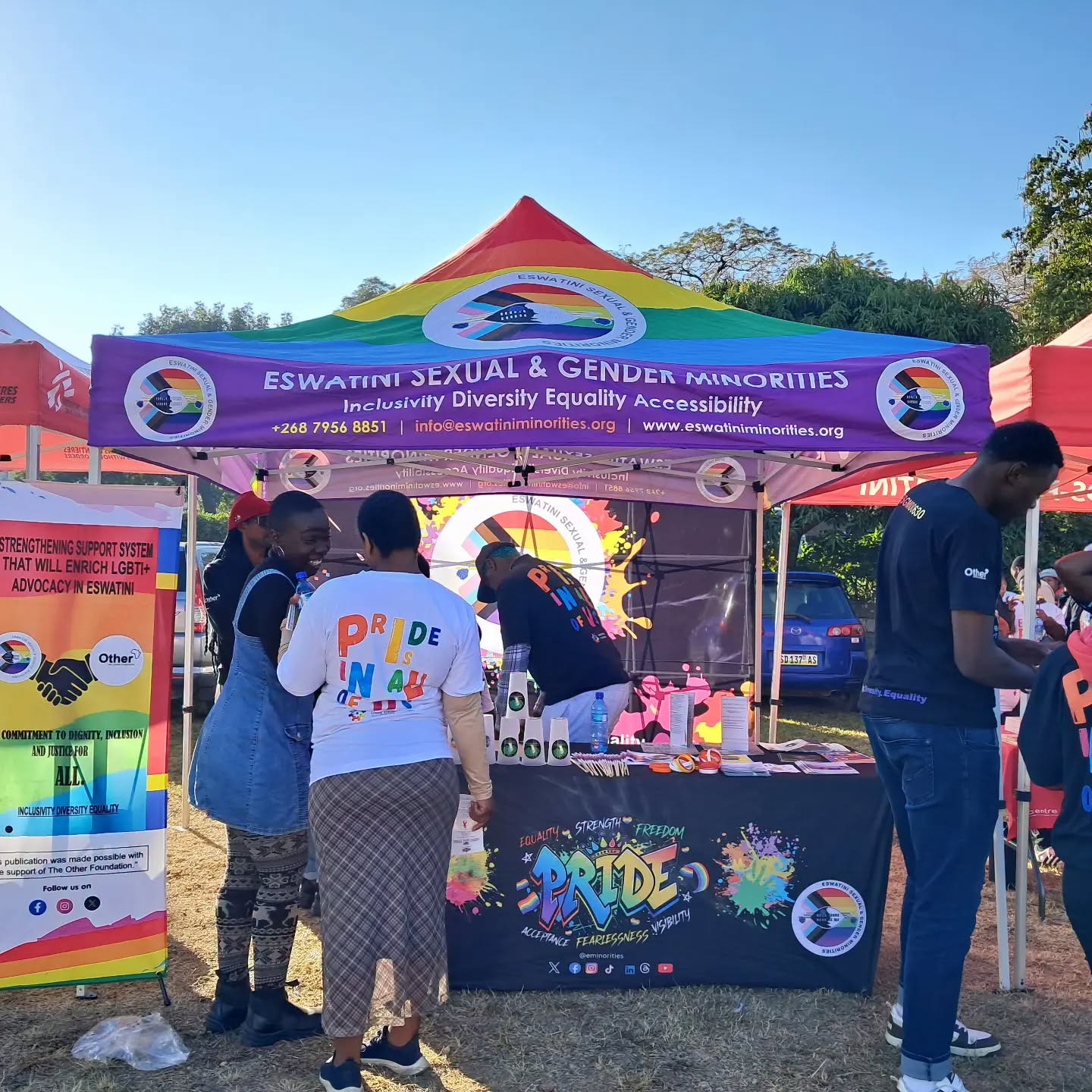
The ESGM stall at the MTN Bushfire festival

Visibility and acceptance

The challenge

Four in ten EmaSwati hold some prejudiced view of LGBTI people. But people who know LGBTI people are more likely to accept them.

What we did

  1. Eswatini's first Pride, with our founder as lead organiser.
  2. Trained journalism students to report fairly on LGBTI people. They went on to make a short film and an article.
  3. Reached more than 1,500 festival-goers at MTN Bushfire and handed out 500 information leaflets.
  4. Hosted the launch of "A House Divided", the first national survey of attitudes to LGBTI people in Eswatini. More

What changed

Recognised on a national stage

In 2024 ESGM won the social impact award at MTN Bushfire, and the festival stall that came with it. We have been back every year since.

Read the story →
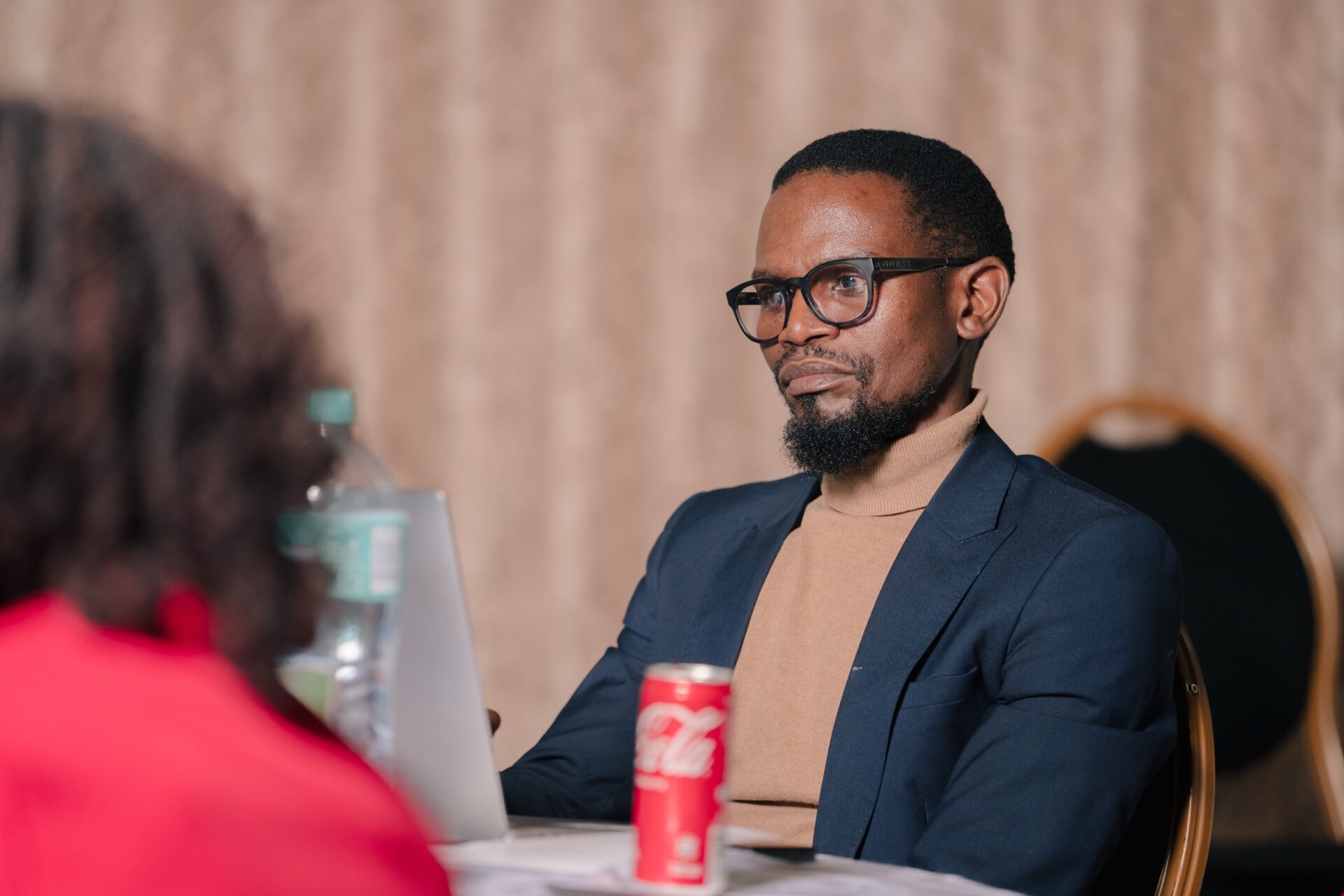
A participant listens at an ESGM dialogue, 2024

Health and well-being

The challenge

LGBTI people in Eswatini face barriers to health care, mental health support and income.

What we did

  1. Trained with the Red Cross in Eswatini in psychological first aid, so we can support members in crisis. More
  2. Wellbeing workshops on confidence, boundaries and protecting your mental health while staying active.
  3. Our 4th summit gave a full day to sexual and reproductive health, and another to earning an income through agriculture.
  4. Referrals for members to free health care services.

What changed

An LGBTI voice where health decisions are made

In 2020 ESGM hosted the community vote that elected the LGBTI representative to the Global Fund Country Coordinating Mechanism in Eswatini.

Our programmes →
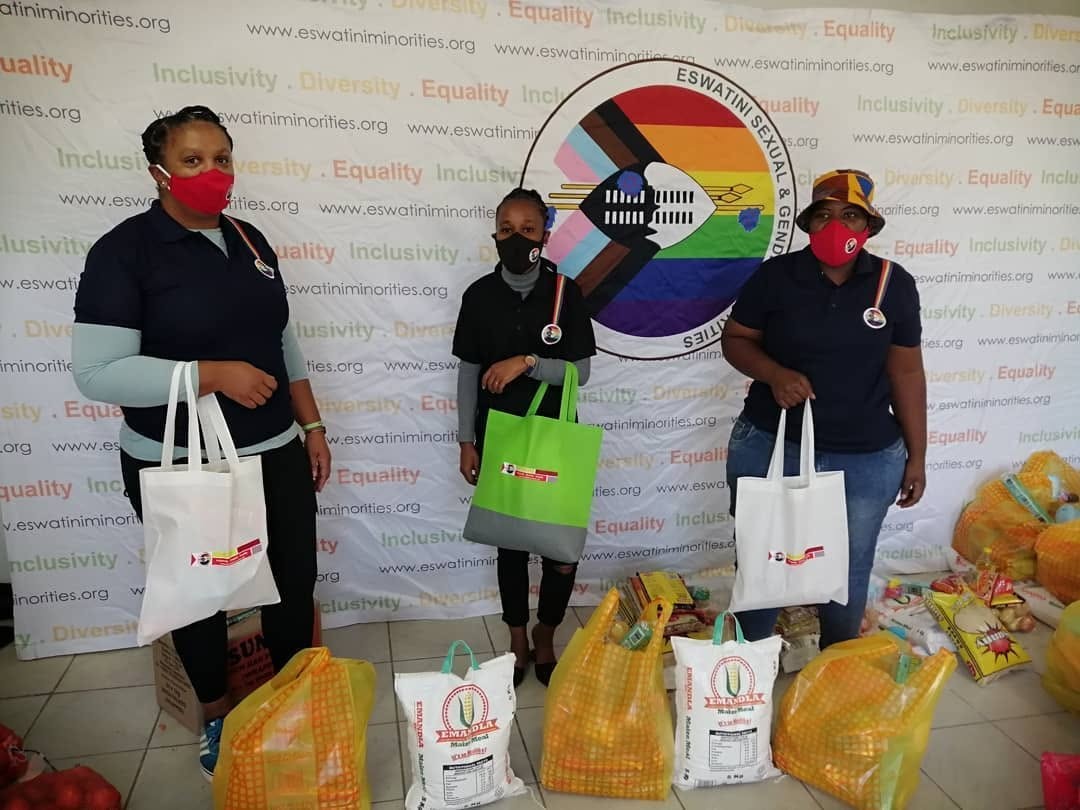
ESGM staff with food parcels for members during the COVID-19 lockdown, 2020

Families and community

The challenge

Only about three in ten EmaSwati would accept a gay, lesbian or bisexual family member. Many LGBTI people lose the support of the people closest to them.

What we did

  1. Food parcels for members during the COVID-19 lockdown, and Queermas, so that no one spent Christmas alone.
  2. Celebrated Queer Mothers' Day and Queer Fathers' Day with our members' families.
  3. Members collected food and toiletries and spent Charity Day at the Mangozeni Soup Kitchen in Malkerns.

What changed

Change that starts at home

LGBTI parents and parents of LGBTI children formed their own support group in 2020, to share experiences and help each other.

Our programmes →

Our reach online

15,000 followers, seven platforms.

Online, we share news, campaigns and support with LGBTI people in Eswatini, and with allies at home and abroad. Our TikTok videos alone have 27,700 likes.

Followers as of October 2026. Some people follow us on more than one platform.

  • Facebook8,000
  • X2,307
  • TikTok2,181
  • Instagram1,853
  • LinkedIn293
  • Threads284
  • YouTube78

How we work

The principles behind our programmes.

Drawn from our 2022 to 2025 strategic plan.

Change starts at home

No change is achieved in isolation. We work with families, including LGBTI parents and parents of LGBTI children, because acceptance at home makes everything else possible.

Led by our members

Our members set our direction. Member check-ins during the year and an annual general meeting mean the people we serve shape what we do.

Grounded in evidence

Our strategy rests on what our community tells us: focus groups in all four regions, needs assessments at our human rights corners, and a 2025 baseline that we measure our progress against.

Dialogue and education

We build acceptance through dialogue, education and awareness, with journalism students, school pupils, festival crowds and decision-makers, so LGBTI people can assert their rights openly.

Milestones

What we have achieved, year by year.

  1. 2018Eswatini's first Pride, with our founder as lead organiser.
  2. 2019ESGM founded as the first membership-based LGBTI organisation in Eswatini, and our first summit at Hawane.
  3. 2020Focus groups in all four regions, advocacy training, a billboard for equality in Mbabane, a parents' support group, our 2nd summit, and COVID-19 relief and Queermas.
  4. 2021Psychological first aid training with the Red Cross in Eswatini.
  5. 2022Our 3rd summit at Magadzavane Lodge, and an appeal to the Supreme Court.
  6. 2023A unanimous Supreme Court ruling that the refusal to register ESGM was unconstitutional.
  7. 2024The social impact award at MTN Bushfire.
  8. 2025Our 4th summit, more than 1,500 people reached at MTN Bushfire, the launch of "A House Divided", a validated consortium strategic plan and a new High Court challenge.
  9. 2026Movement Building 101 for four cohorts, Swazi Pride, Charity Day, and the registration case heading for a hearing.
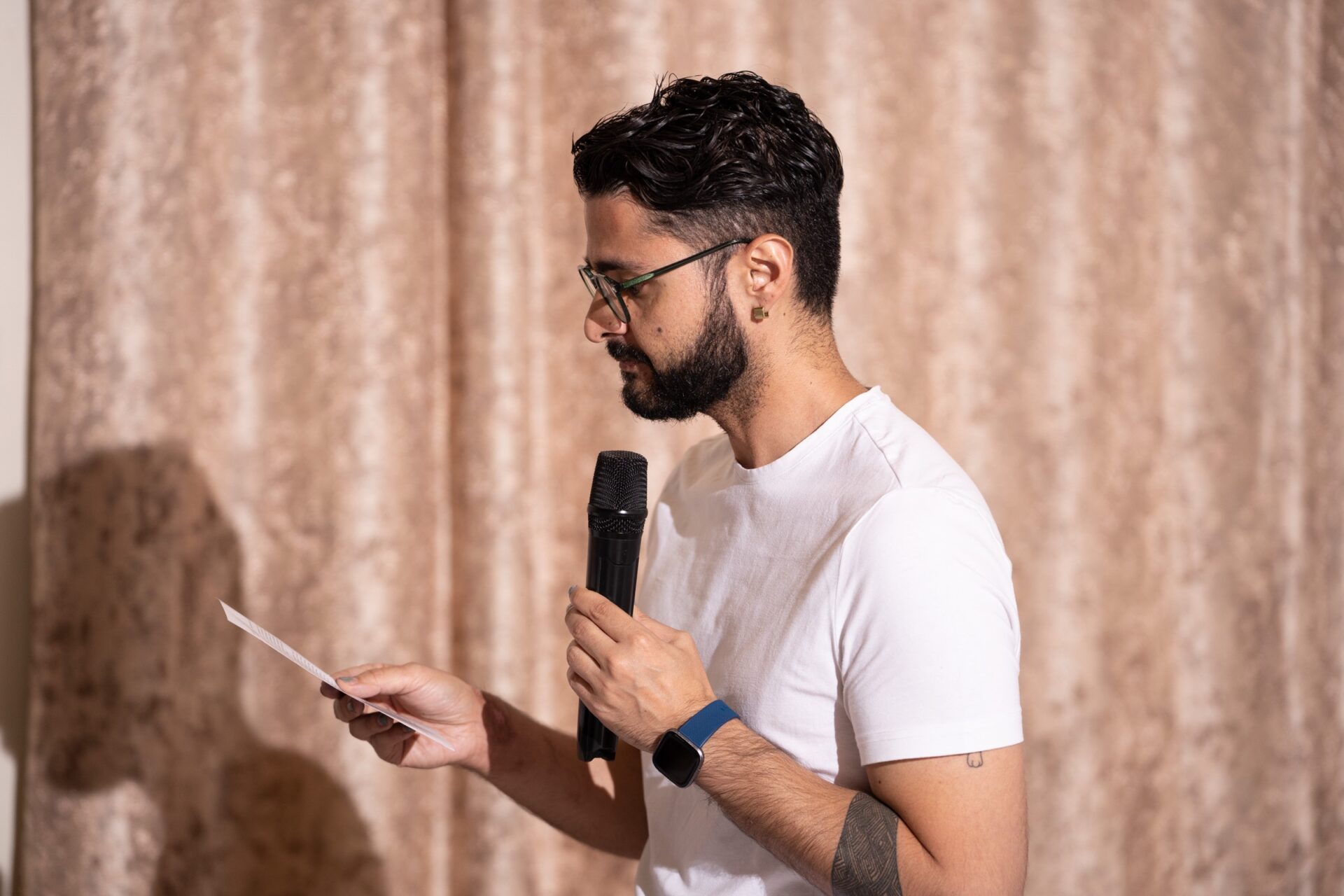
A speaker addresses an ESGM dialogue, 2024
A panellist speaks at an ESGM dialogue, 2024
Panellists at an ESGM dialogue, 2024
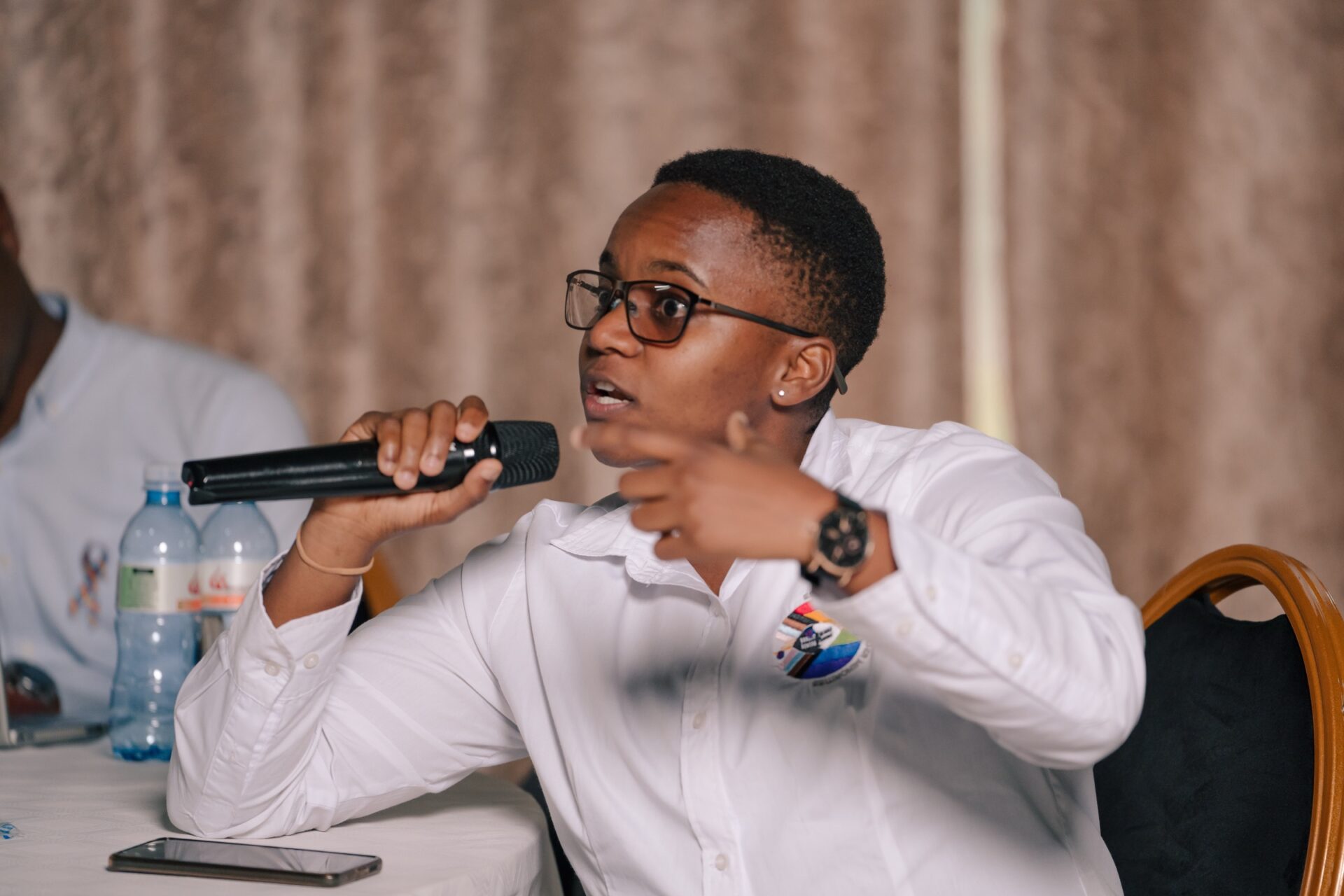
A participant speaks at an ESGM dialogue, 2024

Invest in a movement that delivers.

We work with funders, embassies and organisations who share our vision. Ask us for our strategic plan and programme proposals.